


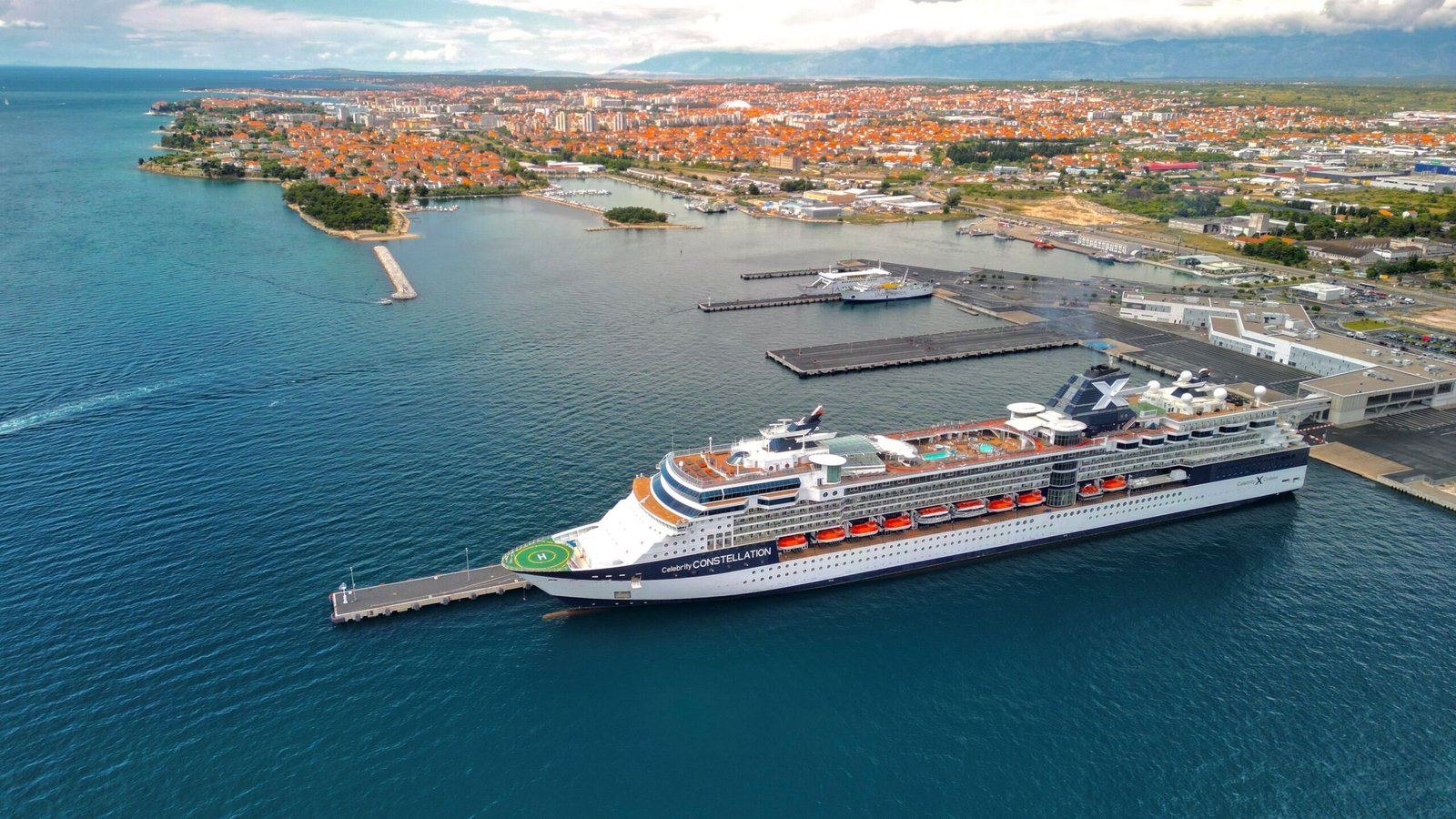
I still remember pulling into the harbor of St. Thomas on a bright Caribbean morning a couple of winters ago. The sharp glare of the sun bouncing off the white sand beaches and turquoise water was beautiful, but my immediate concern was simpler. I sat on the edge of my bed, waiting for the familiar, dull throb in my lower back and ankles to subside before attempting to stand up. At 69 years old, my joints like to remind me of their age every single morning, especially when we hit a new port of call.
Welcome back to Stress Free Senior Cruising, your trusted space for realistic, practical strategies to help you see the world comfortably on your own terms. Getting older or using a mobility device should never mean you are confined to the ship’s upper decks while everyone else goes out to explore. It just means we have to work a little smarter, plan our days with precision, and lean on the excellent infrastructure available to us.
Finding the right activities on land can feel like a gamble when your walking endurance is limited or your knees are acting up. Fortunately, the modern travel industry has adapted beautifully to our generation’s needs, offering a vast array of senior friendly cruise excursions for arthritis sufferers. By choosing the right tours, you can experience the absolute best of every destination without putting your body through unnecessary physical pain. Let’s walk through how to secure the best accessible cruise shore excursions for seniors so you can step off the gangway with total peace of mind.
Accessible Cruise Shore Excursions for Seniors
When you start browsing your ship’s excursion list, you will notice that mainstream tours often involve massive amounts of standing, walking, and climbing. For those of us dealing with joint degradation or muscle weakness, trying to keep up with a fast-paced group can quickly ruin a vacation. Official accessible excursions are specifically tailored to remove those structural roadblocks entirely.
Understanding Accessibility Symbols and Tour Ratings
Cruise lines use a specific system of icons or activity levels next to every tour description in their online portal. You will want to bypass the standard “mild” or “moderate” labels if you rely heavily on a scooter or wheelchair, as these still frequently involve stepping over high curbs or walking short distances. Look exclusively for tours explicitly categorized under “Accessible Travel” or marked with a prominent wheelchair icon.
These specialized tours guarantee that the entire route has been pre-vetted by local operators to ensure zero unexpected stairs or narrow doorways. They also operate at a significantly slower, relaxed pace, meaning nobody will ever rush you as you move from one sight to the next. I always recommend booking these early, as group sizes are kept small to maintain comfort and safety, causing slots to fill up months in advance.
Vehicle Types and Mechanical Lift Logistics
The biggest hurdle on any standard tour is often the transportation itself, as regular tour buses feature steep, narrow steps. When you scale those giant steps, the sharp knee and joint pressure on stairs can easily trigger a painful arthritis flare before you even arrive at the venue. Accessible excursions eliminate this issue by utilizing specialized vehicles equipped with hydraulic lifts or low-entry ramps.
When you roll up onto the lift platform, the mechanical system safely raises your scooter or wheelchair directly to the vehicle’s floor level. Once inside, your mobility equipment is firmly secured to the chassis using heavy-duty tie-down straps, allowing you to remain seated comfortably for the entire drive. This subtle logistical detail protects your physical energy, ensuring your joints are rested and completely pain-free when you arrive at the historic sites.
How to Visit Cruise Ports with Limited Mobility
You do not always have to rely on organized cruise line groups to have a wonderful day on shore. Learning how to visit cruise ports with limited mobility independently gives you the ultimate control over your schedule, your resting intervals, and your physical comfort. Let’s look at how to manage a port day completely on your own timeline.
Booking Specialized Private Accessible Guides
If the ship’s official accessible tours are sold out, your best alternative is to hire a private, independent tour operator specializing in senior mobility. Companies like Sage Traveling or local accessible transport providers can arrange a private van and a local guide who understands the exact nuances of joint-friendly travel. This strategy allows you to customize the day completely, choosing exactly where to stop and when to head back.
A private guide can also pull directly up to the entrances of museums or restaurants, minimizing the distance you have to walk across hot asphalt or uneven sidewalks. If your hands or hips begin to throb mid-day, you can simply tell your driver to adjust the route or find a shady café where you can rest. This level of flexibility is incredibly reassuring for travelers who worry about their physical stamina changing throughout the day.
Navigating Local Taxis and Port Infrastructure
If you decide to simply stroll off the ship to explore the immediate port area, you must first evaluate the local infrastructure. Many modern cruise ports feature flat, paved shopping villages right at the end of the pier, which are perfect for a gentle afternoon roll. Pushing your device across the smooth, flat surfaces of these port zones is very gentle on arthritic ankles and wrists.
However, if you want to head into the local town using a standard taxi, you need to ensure your mobility equipment is highly portable. I always recommend traveling with a lightweight, folding transport chair or a breakdown scooter that separates into a few light pieces. Local drivers are almost always happy to lift these pieces into the trunk for you, but you must be physically able to step into a standard sedan or SUV seat independently.
Evaluating Terrain and City Layouts Before You Sail
The physical geography of a destination plays a massive role in how your body feels at the end of a port day. Some historic cities are naturally hostile to mobility devices, while others are beautifully flat and accommodating. Doing a bit of geographical homework before booking your cruise will save you from a lot of physical frustration later on.
European ports, particularly older medieval towns, are famous for their extensive cobblestone streets and steep, winding alleyways. Bumping a wheelchair or scooter across rough cobblestones for two hours can cause intense vibrations that travel straight up your spine and irritate arthritic joints. If you have your heart set on Europe, look for itineraries that feature modern cities like Rotterdam or Barcelona, where wide, smooth concrete pavements and dropped curbs are the standard.
For absolute joint comfort, it is hard to beat the purpose-built cruise ports of the Caribbean or Alaska. In places like Juneau or Skagway, the historical districts feature flat boardwalks or paved roads that run parallel to the water. You can easily ride a scooter right off the gangway and cruise along the waterfront without encountering a single steep hill or major obstacle. Always use online maps or street views to check the terrain around the cruise terminal before you make your final excursion selections.
Maximizing Comfort and Managing Joint Flares on Land
Even with the most meticulous planning, spending several hours away from the controlled environment of your ship cabin takes a physical toll. Being prepared to manage a sudden spike in joint pain while out in public is crucial for maintaining your independence and enjoyment. Here is how I pack my day bag to ensure I am ready for any physical challenge on land.
First and foremost, never leave the ship without a portable source of temperature management. While the outdoor Caribbean air might be warm, local tour buses and air-conditioned shops often feature intense, chilly air temperature drafts in theaters and vehicles that cause muscles to contract and joints to freeze up almost instantly. I always pack a soft, breathable scarf or a light fleece jacket in my backpack to wrap around my knees or shoulders the moment we step inside. Keeping your muscles warm prevents that sudden, agonizing stiffness that makes moving difficult.
Additionally, always pack a small first-aid kit containing fast-acting topical pain relief creams, extra prescription anti-inflammatories, and chemical heat patches. If your joints begin to throb while you are sitting at a historic site, you can quickly apply an air-activated heat patch directly over the fabric of your clothing for hours of continuous, soothing relief. Pair this with a strict pacing strategy—scheduling a fifteen-minute seated rest break for every forty-five minutes of exploring—to give your body the regular recovery intervals it desperately needs.
Conclusion: Crafting Your Next Stress-Free Port Adventure
Exploring the world is one of life’s greatest privileges, and living with limited mobility should never force you to miss out on the adventure. By shift-focusing your planning toward dedicated accessible tours, researching city terrain, and prioritizing physical comfort, you can conquer any port of call safely. Remember that traveling successfully as a senior is not about how fast you move, but how much you enjoy the journey along the way.
To help you organize your next shore day, here is a simple, structured action plan to match your specific physical needs with the ideal port strategy:
| Senior Mobility Need | Ideal Excursion Type | Crucial Logistical Detail |
| Cannot step up into standard buses | Cruise Line Accessible Tour | Features a full hydraulic lift and wheelchair tie-downs |
| Prone to severe joint vibration pain | Modern Waterfront Districts | Stick to flat, concrete piers and avoid old cobblestones |
| Needs frequent, unpredictable breaks | Private Accessible Van Guide | Allows you to halt the tour instantly to rest or stretch |
| Sensitive to sudden temperature drops | Panoramic Low-Walking Tour | Bring a light wrap to combat freezing bus air conditioning |
The world’s most beautiful coastal towns are ready to welcome you. Take your time, use the tools available, and step off the ship with the absolute confidence that you can explore every single destination comfortably.