


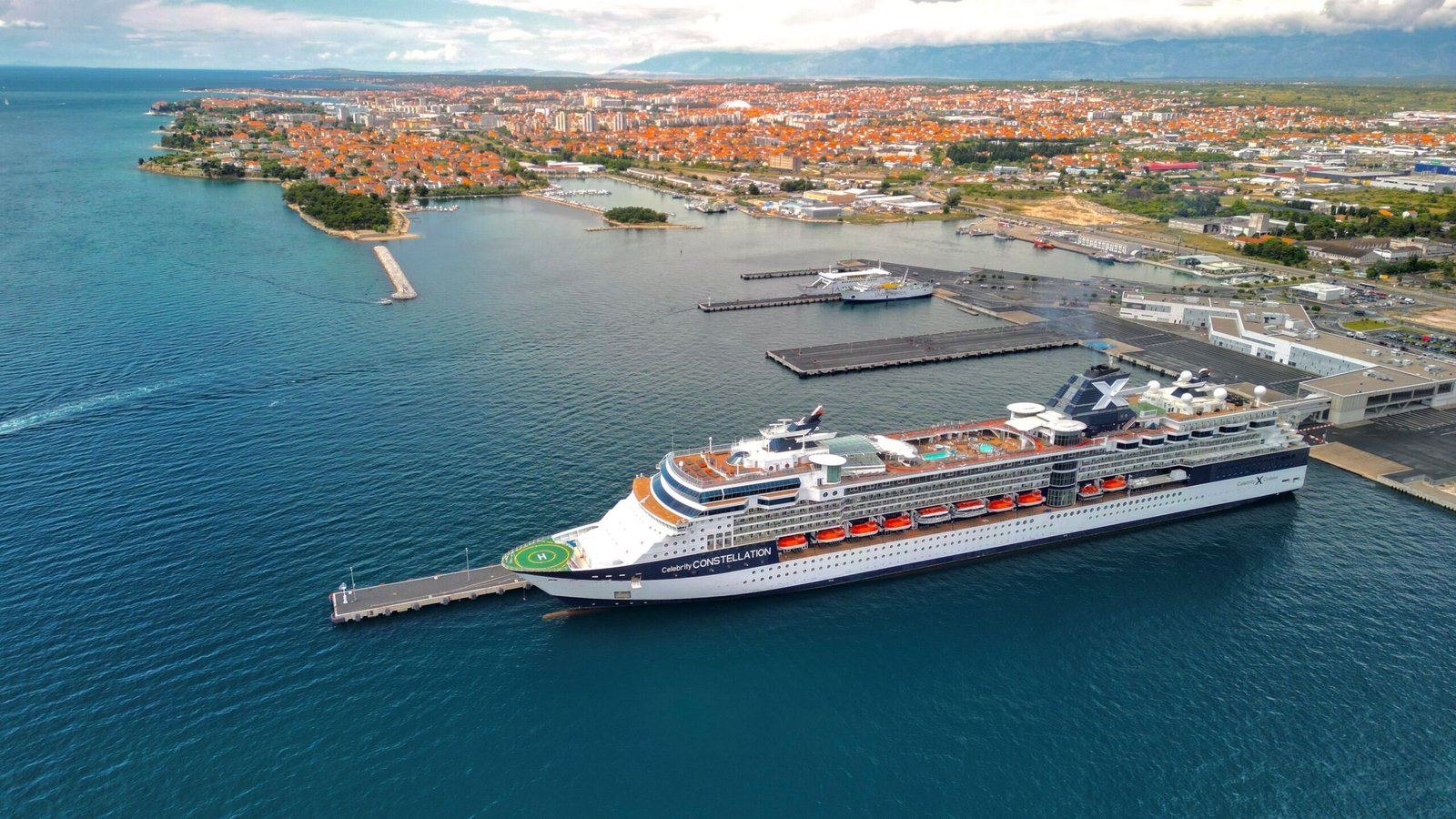
I still remember the first time I stood at the railing of a grand vessel, looking down at a beautiful Caribbean port. The glare of the sun off the white concrete pier was intense, and my arthritic knees were already throbbing from walking the length of the promenade deck. For years, I worried that my changing physical abilities would mean I’d be left behind, trapped in my cabin while everyone else went out to explore.
But getting older doesn’t mean our traveling days are done. Here at Stress Free Senior Cruising, my goal is to help you navigate the waters of retirement travel with absolute confidence. Over the years, I have learned that your world does not have to shrink just because you decide to start using wheels to get around.
With a bit of forward planning, you can easily find plenty of mobility scooter friendly cruise ports that allow you to roll right off the gangway and into a new adventure. You do not have to limit your vacation to the ship’s buffet and theater. Let’s talk about how you can reclaim your independence and see the world on your own terms.
Cruising with a Mobility Scooter
This section focuses on the foundational rules of disembarking safely and understanding how your equipment interacts with different ship-to-shore setups.
When you start planning a vacation around cruising with a mobility scooter, the very first thing you must consider is how you will actually get off the vessel. Not all ports are created equal. Some docks allow you to roll directly onto dry land, while others require a completely different approach.
I always advise my clients to check the specific itinerary details before laying down a deposit. Knowing whether a port is a docked port or a tender port makes all the difference in the world for your daily comfort.
Docked Ports vs. Tender Ports
A docked port means the ship ties up directly to a concrete pier. You simply roll down the gangway, across a flat transition plate, and onto the dock. This is the ideal scenario for anyone using wheels, as it requires no lifting or complicated transfers.
Tender ports, on the other hand, require the ship to drop anchor off the coast. Passengers are then transferred to the shore using small watercraft called tenders. For scooter users, tenders introduce a massive logistical challenge.
Many cruise lines have strict safety policies that prohibit heavy motorized scooters on tenders unless the water is perfectly calm and the scooter can be easily folded. If you rely fully on a heavy, non-folding unit, a tender port might mean you are stuck on board for the day.
Navigating the Ship’s Gangway Safely
Even at a docked port, the gangway itself can present an obstacle depending on the tide. If the tide is low, the ramp leading down to the pier can become quite steep. I always take a moment to look out the window before heading down to deck A.
When you approach the gangway, always follow the instructions of the crew members stationed at the exit. Set your scooter to its lowest speed setting. Lean slightly forward as you descend to keep your center of gravity stable, and don’t be afraid to ask a crew member to guide your steering if the ramp feels narrow.
The transition from the rubberized ramp to the solid pier can cause a slight jolt. Hold on firmly to your handlebars and maintain a steady, slow pace until all four wheels are on the flat ground of the pier.
Finding Accessible Cruise Port Excursions
This section covers how to vet excursion providers and select shore activities that accommodate mobility equipment without causing unnecessary stress.
Once you are safely off the ship, the real fun begins. Finding accessible cruise port excursions used to be a massive headache, but the travel industry has made great strides in recent years. Today, you do not have to guess whether a tour bus can handle your equipment.
The secret is to bypass the standard, mass-market tour descriptions and look specifically for accessible tour operators. You can book these directly through the cruise line or independently through specialized senior travel agencies.
Booking Through the Cruise Line
Booking your excursions directly through the ship provides an excellent safety net for seniors. If an official tour runs late, the ship will wait for you. When browsing the shore excursion desk, look for symbols that indicate wheelchair or scooter accessibility.
Many lines now offer dedicated “Easy” or “Accessible” tour collections. These excursions utilize custom motorcoaches equipped with hydraulic wheelchair lifts, meaning you won’t have to step out of your scooter seat to board the bus.
Be sure to read the fine print regarding scooter weight limits. Some bus lifts have a maximum capacity of 500 pounds, which must include both the weight of the scooter and the person sitting in it.
Independent Accessible Tour Operators
If the ship’s tours don’t appeal to your sense of adventure, you can look into private, independent operators who specialize in senior accessible travel. Companies like Accessible Travel Solutions operate in dozens of major cruise ports globally.
When you book a private accessible tour, you typically get a dedicated accessible van and a local guide who understands the layout of the city. They know exactly which historic sites have flat paths and where the accessible restrooms are located.
Just make sure to clarify your specific scooter dimensions when booking. A private van might easily accommodate a compact, three-wheel travel scooter but struggle to fit a large, heavy-duty bariatric model.
Essential Gear and Maintenance Checklist
This section outlines the physical tools and backup plans you need to keep your scooter running smoothly while exploring international ports.
Nothing ruins a day in paradise faster than a dead battery or a mechanical breakdown miles away from the ship. When you are out in a foreign port, you cannot simply call a local repair shop to come fix your mobility equipment. You must be self-reliant.
Before you leave your stateroom each morning, complete a thorough check of your equipment. Taking five minutes to ensure everything is in working order will save you hours of frustration later in the day.
- Battery Power: Always charge your scooter overnight, every single night of the cruise.
- Tire Pressure: If your scooter uses pneumatic tires, check for wear and proper inflation before leaving home.
- Key Placement: Keep your scooter key on a lanyard around your neck so it never falls out of your pocket.
- Charging Adapter: Bring a universal plug adapter if you are traveling internationally, as port cafes may have different outlets.
I always carry a small basic tool kit in my seat pouch. A simple multi-tool with Allen wrenches and a small roll of heavy-duty duct tape can fix a loose armrest or a rattling basket in a pinch.
It is also wise to carry a copy of your scooter’s user manual and the contact information for the manufacturer. If you experience an electronic glitch, the troubleshooting section of the manual is your best friend.
Port Infrastructure: What to Expect Globally
This section compares the physical realities of port environments across different regions of the world to help you choose the best itinerary for your physical needs.
The physical layout of cruise ports varies wildly depending on where you choose to sail. Newer ports are designed with modern accessibility standards in mind, while older, historic European cities present distinct physical challenges.
Understanding these regional differences helps you set realistic expectations for your daily excursions. It allows you to choose destinations where you can maximize your time off the ship without pushing your body to the limit.
The physical feel of teak decks changes to hard, uneven cobblestone the moment you roll into certain historic cities. In places like Rome or visual ports along the Mediterranean, the streets are beautiful but brutal on a scooter. The constant vibration can cause significant discomfort in your hands and back if your scooter lacks a robust suspension system.
In contrast, the purpose-built cruise ports in the Caribbean and Alaska are generally excellent for wheeled mobility. Ports like St. Maarten or Juneau feature wide, flat concrete pathways right at the pier. These areas are specifically built to handle high volumes of foot traffic and mobility devices smoothly.
When traveling in Alaska, you do have to prepare for the elements. The cold, crisp air and sudden rain drafts can drain your scooter’s battery significantly faster than warm Caribbean weather. Always dress in layers and consider a protective waterproof cover for your scooter’s control console.
Conclusion: Roll Into Your Next Adventure
Exploring the world does not have to stop just because you use a mobility scooter. By choosing docked ports, booking dedicated accessible excursions, and keeping your equipment properly maintained, you can experience the joy of travel without the physical strain.
Take things at your own pace, plan your route ahead of time, and enjoy the freedom that modern mobility devices provide. The world is waiting for you to explore it.
| Senior Travel Need | Recommended Scooter Action Plan |
| Low physical stamina | Stick strictly to itineraries featuring docked ports to avoid tender transfers. |
| Joint pain from vibrations | Choose modern ports with concrete paths; avoid historic cobblestone towns. |
| Fear of getting left behind | Book accessible excursions directly through your cruise line for guaranteed return. |
| Technical breakdowns | Carry a basic multi-tool and manual in your scooter storage basket at all times. |