


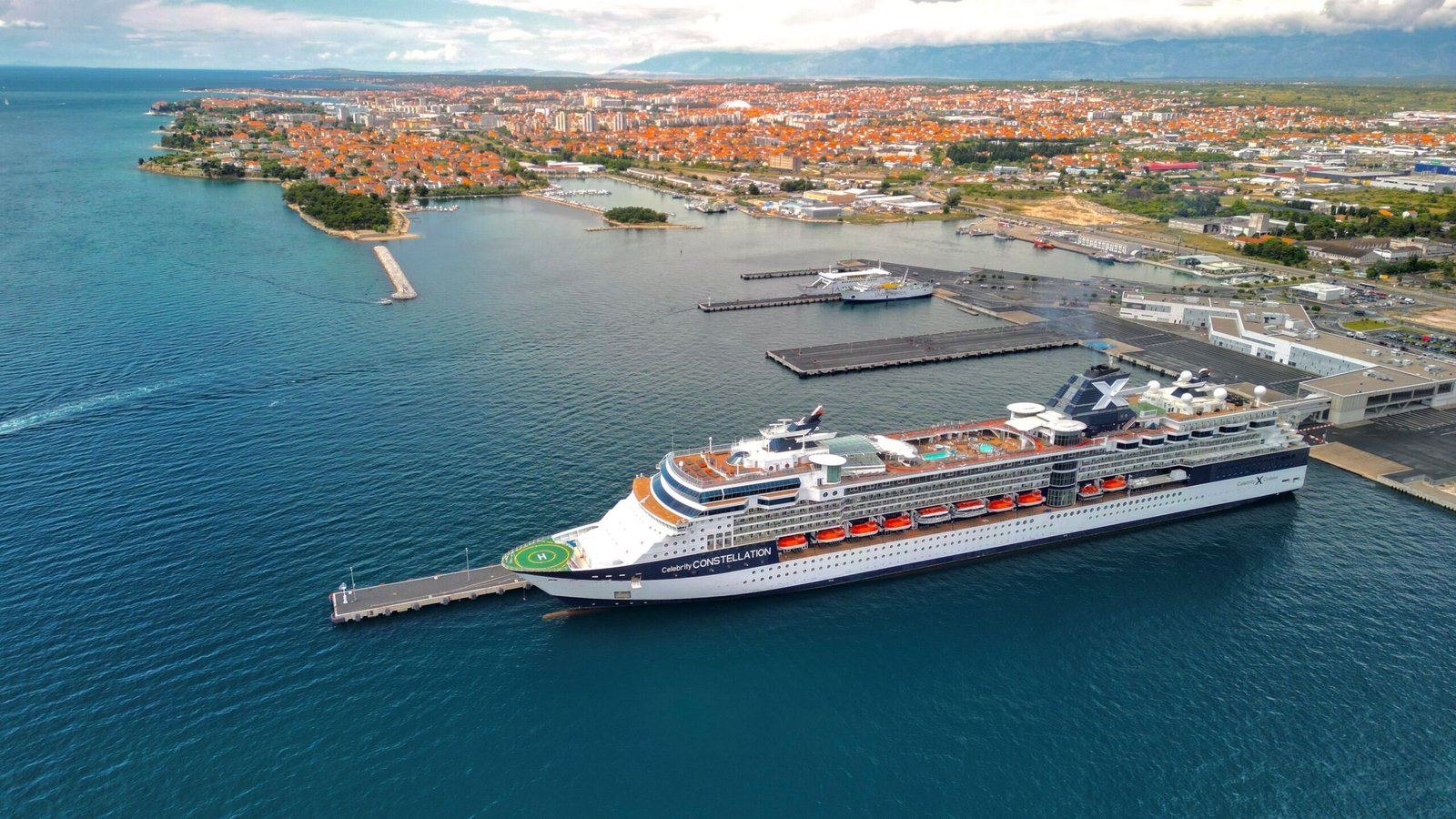
There is nothing quite like standing out on the open deck at sunset, feeling the solid, smooth touch of a polished teak deck beneath your shoes, while watching a new coastline slowly pull into view. I’m David, and at 65 years young, I have spent the better part of my retirement exploring the world’s oceans. Over the years, I have noticed that my joints tend to complain a bit more after a long afternoon of walking, which is why I started using a mobility scooter for my days ashore. It has been an absolute game-changer for maintaining my freedom, but it does mean altering how I approach vacations. Welcome to Stress Free Senior Cruising, my personal space where I help fellow retirees navigate these waters smoothly.
Many seniors assume that traveling with a motorized device means they are destined to stay on the ship while everyone else explores. I can tell you from firsthand experience that this is simply not true. You can have incredible adventures on land, provided you understand how to navigate the booking system. Finding wheelchair friendly cruise excursions that accommodate a scooter takes a little bit of extra legwork before you leave home, but the reward is a seamless, beautiful vacation.
Let’s pull back the curtain on how the major lines handle excursions so you can get off the gangway with complete confidence. Planning a cruise requires shifting your mindset slightly, prioritizing the logistics of movement so you can focus on the joy of discovery rather than the anxiety of getting stuck.
Booking Cruise Shore Excursions with Mobility Scooter
When it comes to booking cruise shore excursions with mobility scooter constraints, your absolute best friend is early preparation. I cannot stress this enough to my fellow travelers. Accessible tour vehicles, specifically those equipped with hydraulic lifts or ramps, are in very short supply in ports around the world. Local operators might only have one or two accessible vans available for an entire cruise ship. If you wait until you are onboard, perhaps feeling a cool air temperature draft in the main theater while listening to the port shopping talk, you will find the best tours are already completely sold out.
My personal strategy is to review the shore excursion catalog the exact same day I place my cruise deposit. Log directly into your online portal and start filtering the tours by accessibility level. Look for specific language regarding full scooter access, rather than just “minimal walking.” If you spot a tour that matches your physical comfort level and interests, reserve it immediately. Most lines allow you to cancel these bookings for a full refund up to a few days before sailing, so there is zero risk in securing your slot early.
If the online system looks confusing or lacks detail, skip the website and call the cruise line’s specialized accessibility department directly. Every major line employs a dedicated team tasked solely with managing special needs and physical accommodations. They have direct lines to the local operators in port and can verify exact details, such as the number of stairs on a bus or the specific type of terrain you will encounter at a historical site.
Navigating these early stages gives you a distinct advantage. You can systematically go port by port, mapping out your itinerary with the certainty that an accessible vehicle is waiting for your device. It eliminates that persistent knot of worry in your stomach, replacing it with the eager anticipation of a well-earned getaway.
Navigating Tender Ports vs. Docked Ports
Understanding the physical reality of how your ship connects to the land is a vital component of a successful port day. When a cruise ship docks at a modern pier, a flat, sturdy gangway is lowered right onto the concrete walkway. You can simply turn on your scooter, drive straight down the ramp, and begin your day without any lifting or heavy physical strain. This is by far the most comfortable setup for senior knees and back joints.
Tender ports introduce a completely different set of physical challenges that every scooter user must prepare for. A tender port means the ship anchors out in a deep harbor, and passengers must board small tender boats to reach the pier. For safety reasons, the crew cannot manually carry a heavy, fully assembled motorized scooter down a rolling gangway into a tossing boat. The movement of the sea makes this transfer inherently hazardous for both you and the ship’s staff.
Most premium lines enforce strict weight and mobility regulations regarding these small boats. If you cannot stand up from your seat and walk down a short, narrow flight of stairs onto the tender completely unassisted, you will likely be restricted from going ashore at that port. If you use a heavy-duty, non-folding scooter, tender ports are often a complete no-go. When planning your next cruise, always look closely at the itinerary map and favor routes that feature fully docked ports of call.
Choosing a docked port means you control your independence. You are not at the mercy of sudden swells, ocean currents, or a crew member’s safety assessment. You simply roll off at your leisure, enjoying the freedom that modern ship architecture provides.
Knowing Your Scooter’s Dimensions and Weight Limits
Before you begin shopping for shore tours, you need to treat your mobility scooter like a piece of airline baggage. Grab a tape measure and an accurate scale, and write down three critical numbers: the total width, the total length, and the combined weight of the scooter with its batteries installed. I keep these statistics typed into a note on my smartphone so I can reference them instantly whenever I am talking to a travel provider.
Local tour companies across the globe utilize a wide variety of lift mechanisms on their vehicles. A hydraulic ramp that works perfectly for a standard manual wheelchair might be entirely too narrow or have too low of a weight limit for a heavy-duty bariatric scooter. If your equipment exceeds the certified safety limits of the bus lift, the driver will legally deny you boarding right there on the pier, leaving you stranded.
Furthermore, you must consider the storage realities of international destinations. European motorcoaches, for instance, often feature much smaller under-bus luggage compartments than what we are accustomed to in North America. If you ride a lightweight, three-wheeled travel scooter that easily disassembles into separate pieces, you will find it much easier to fit into a variety of standard tours, provided you can handle walking up the three or four entry steps of a traditional bus.
Taking the time to accurately measure your equipment ensures there are no painful surprises on the pier. It allows you to answer any local tour guide’s questions with absolute authority, showing them that your gear complies perfectly with their local safety parameters.
Accessible Cruise Excursions Celebrity Princess Holland America
If you want an exceptional level of service, looking into the premium accessible cruise excursions celebrity princess holland america offer will give you the best peace of mind. These three specific lines cater extensively to mature travelers and have built robust frameworks around physical access. However, they do not use the exact same terminology or labeling systems in their shore excursion brochures, which can sometimes confuse new cruisers.
Celebrity Cruises uses a highly structured tier system that clearly differentiates between tours that are scooter-accessible from start to finish and those that merely require minimal physical exertion. Princess Cruises relies heavily on distinct visual icons printed next to the tour titles to signify wheelchair and scooter compatibility. Holland America Line takes a very detailed approach, often writing paragraph-long descriptions of the exact physical layout of the tour, including ground surfaces and restroom widths.
The secret to success across all three brands is ignoring vague words like “panoramic” or “easy” and looking for explicit confirmation of a Wheelchair Accessible Vehicle (WAV). A panoramic bus tour sounds lovely, but it often utilizes a standard high-floor coach. If you cannot climb steps, that panoramic tour is useless to you. Always look for the specific accessible designation to ensure a vehicle with a mechanical ramp or lift is waiting for you.
By mastering the specific codes of your chosen line, you transform a confusing catalog into a clear, reliable menu of choices. It saves you from spending hours researching a tour only to discover a hidden staircase or narrow bus door at the very last moment.
Celebrity Cruises’ Accessible Shore Power
Celebrity Cruises provides an outstanding program known as their “Accessible Shore Excursions” collection. These experiences are specifically crafted for guests who utilize mobility scooters or power wheelchairs and require specialized transport. They split these offerings into clear categories based on the intensity of the terrain, helping you avoid unexpected physical barriers.
What sets Celebrity apart is their commitment to small-group sizes for these specialized tours. Instead of cramming 50 people into a standard bus, these accessible excursions typically utilize modern, lift-equipped sprinter vans that hold a maximum of six to ten guests. This smaller size dramatically reduces the stress of travel. You do not have to worry about a massive crowd of people staring at you while the driver carefully adjusts the floor straps and safety locks on your scooter.
The primary drawback to these beautifully organized small-group tours is the financial investment. Because the vehicles are specialized and the passenger count is kept low, the ticket prices are significantly higher than standard group tours. I always recommend budgeting a bit extra for your port days if you sail with Celebrity, as the sheer comfort and lack of stress are worth every single penny.
The investment pays dividends in peace of mind. You travel with a small cohort of like-minded individuals, enjoying an unhurried, respectful pace that allows you to fully absorb the culture and scenery around you.
Princess and Holland America Line’s Local Tour Partnerships
Princess Cruises and Holland America Line are sister brands under the Carnival Corporation umbrella, meaning they share a massive network of ground logistics and tour operators. This corporate connection is a massive benefit for seniors, particularly when sailing on popular northern routes like Alaska, where the two lines actually own and operate a large portion of the infrastructure.
In major ports like Juneau, Skagway, and Ketchikan, these lines run their own fleets of custom motorcoaches and luxury railcars. Many of these vehicles come factory-equipped with state-of-the-art hydraulic lifts. When you book a bucket-list excursion through them—such as the historic White Pass & Yukon Route railway—you can request an accessible train car directly through the shipboard excursion desk without having to deal with an unvetted third-party vendor.
The important detail to watch for with Princess and Holland America is reading the full text snippet at the bottom of the tour description. Sometimes a tour will display a wheelchair icon, but the text will state: “Scooters are not permitted due to size restrictions in the historic venue.” Always take a moment to read the fine print entirely so you do not accidentally book a tour that accommodates manual chairs but bans motorized scooters.
Their deep roots in these destinations mean the crew members possess an intimate knowledge of local pathways. They can steer you away from problematic sidewalks and point out the easiest paths, ensuring your day ashore is memorable for all the right reasons.
Avoid These Common Mobility Scooter Excursion Mistakes
One of the most frequent errors I witness fellow seniors make is trying to save a few dollars by booking a cheap private tour from an unvetted local guide waiting on the pier. While independent tours can be wonderful for able-bodied travelers, they rarely have the specialized equipment required to transport a heavy scooter safely. Finding yourself stuck at a pier in a foreign country because your driver cannot fit your scooter into the trunk of a standard sedan is an incredibly stressful experience.
Another critical mistake is failing to monitor your scooter’s battery life throughout the day. Navigating steep historic hills, rolling through thick grass, or fighting against heavy winds will drain a battery significantly faster than driving down the flat, carpeted hallways of your cruise ship cabin deck. I make it an unbreakable rule to plug my scooter into the wall outlet every single night of the cruise, ensuring I walk out to the gangway with a full 100% charge.
Finally, do not underestimate the sheer physical impact of old-world terrain. A tour might sound perfectly flat, but if it takes place in an old European city or a historic colonial port, you may encounter ancient cobblestones. The continuous, harsh vibration of driving a small travel scooter over uneven stone blocks can cause significant joint pain and fatigue, and small front wheels can easily get wedged into deep gaps between stones.
Protecting yourself from these simple oversights can mean the difference between a magical day ashore and an exhausting ordeal. A little caution regarding battery care and local road surfaces ensures your equipment remains a tool of liberation rather than a source of frustration.
Essential Questions to Ask Before You Book Any Tour
To keep your vacation completely stress-free, I highly recommend making a quick visit to the onboard shore excursion desk during the very first evening of your cruise. Most passengers are busy unpacking their bags or heading to the main dining room, meaning you can usually walk right up to the desk without waiting in a long line. Introduce yourself, mention your device, and ask these specific questions about your booked tours.
First, ask the staff: “Can you confirm if the specific vehicle assigned to my tour departure has a mechanical lift, or does it require me to step up into the bus?” This completely removes any guesswork about the transit setup. If the tour utilizes a standard bus but you plan to ride a folding scooter, ask if the line guarantees that a dedicated portion of the luggage bay will be kept clear for your equipment.
Second, always ask: “Are there any specific historic buildings, narrow doorways, or gravel paths on this route that could restrict a mobility device?” Gaining this insider knowledge ahead of time allows you to make smart adjustments before you ever leave the ship. If a specific stop on the tour sounds completely inaccessible, the onboard team can often help you swap into a more accommodating excursion without penalty.
Empowering yourself with direct answers from the cruise staff gives you total control over your daily adventures. You step out of the ship fully prepared, with the bright glare of the sun on a fresh port city ahead of you, and no hidden surprises waiting around the corner to stall your progress.
Conclusion: Your Next Stress-Free Adventure Awaits
Sailing with a mobility scooter does not mean you have to compromise on your travel dreams or stay confined to the ship’s pool deck. By prioritizing docked itineraries, securing your lift-equipped vehicle slots early, and relying on trusted lines like Celebrity, Princess, and Holland America, you can explore spectacular destinations around the world in complete comfort. Keep your battery charged, never feel shy about asking for specific measurements, and enjoy every moment of your hard-earned retirement out on the water.
Your scooter is your passport to the world, bridging the gap between physical limitations and your enduring desire to explore. Treat it with care, plan around its unique requirements, and let the cruise lines handle the logistics while you focus on collecting beautiful memories.
Senior Mobility Excursion Checklist
| Action Item | Specific Target | Senior Need Addressed |
| Verify Port Status | Identify “Docked” vs “Tender” ports | Avoids dangerous transfers into small boats on choppy water. |
| Measure Equipment | Note width, length, and full battery weight | Ensures your scooter fits perfectly onto hydraulic vehicle lifts. |
| Charge Nightly | Maintain a strict 100% battery capacity | Prevents losing power while navigating steep hills or long piers. |
| Confirm Vehicle | Look for explicit WAV vehicle confirmation | Eliminates the pain of climbing steep, narrow bus stairs. |
You Might Also Like:
Air Travel with a Mobility Scooter: Getting to the Cruise Port Safely
Choosing an Accessible Cruise Cabin: Hidden Layout Features for Scooter Users