


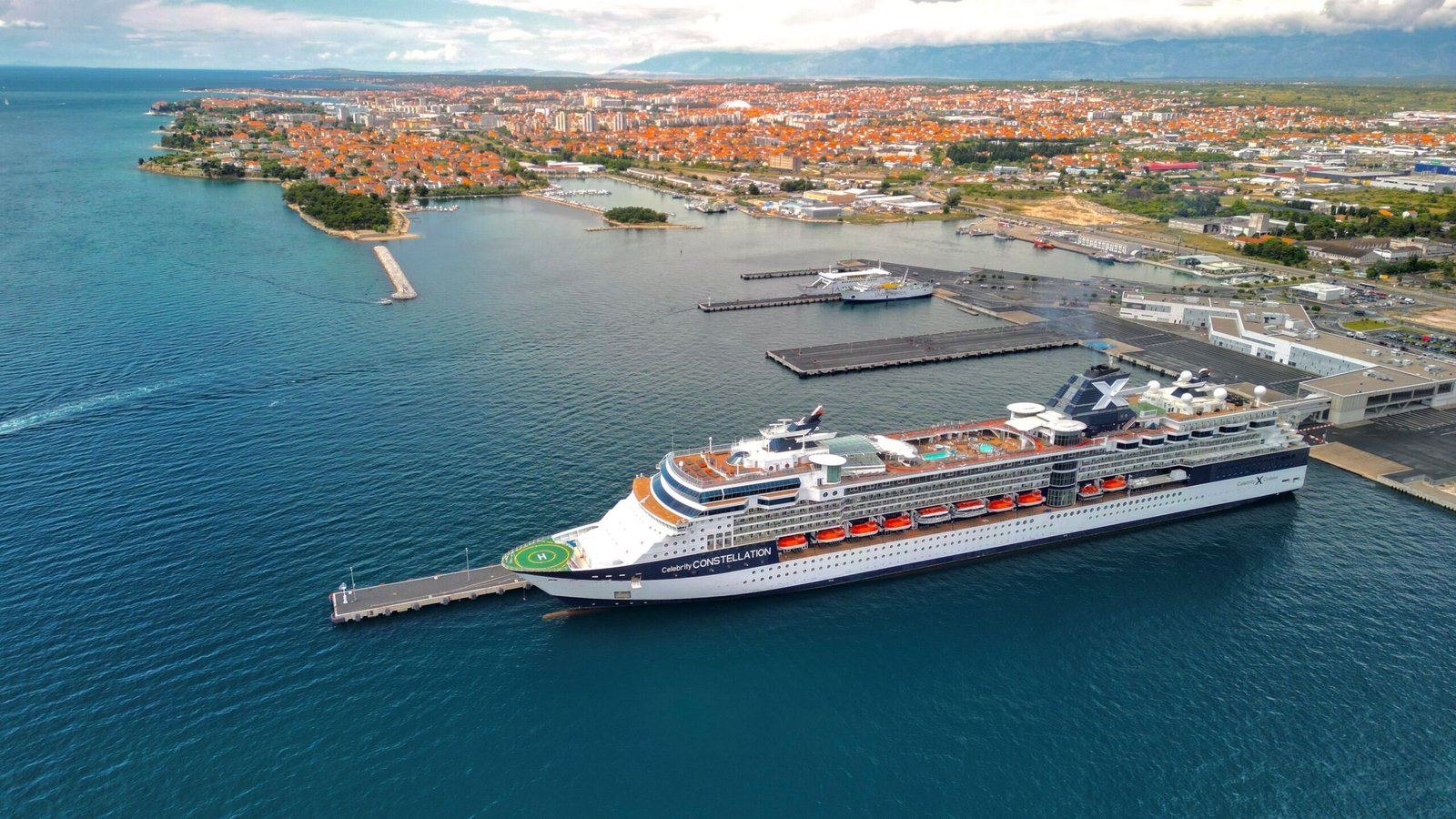
I still remember the crisp morning I stood on the deck of a ship in Alaska, watching glaciers crack under a brilliant sun. The glare of the sun on the water was blinding, but what truly caught my attention was the deep, familiar ache in my right knee. At 70 years old, osteoarthritis is my constant travel companion, but it has never stopped me from exploring the world.
Welcome to Stress Free Senior Cruising, where we help you navigate the open waters without letting physical limitations hold you back. Traveling in our golden years is all about comfort, preparation, and knowing the right strategies to keep our bodies moving. Today, we will look at how you can enjoy every square inch of a modern cruise liner without overtaxing your joints.
Planning a voyage requires more than just picking a destination when you live with chronic inflammation. You must understand the layout of the vessels, the distance between venues, and the senior mobility assistance options on cruise ships today. Fortunately, the cruise industry has made massive strides in accessibility, making it easier than ever to travel comfortably. With the right approach, you can learn how to manage arthritis pain while on a cruise and focus entirely on making memories.
How to Manage Arthritis Pain While on a Cruise
Managing joint pain at sea begins long before you step foot on the gangway. The unique environment of a cruise ship offers incredible opportunities for joint relief, but the sheer size of modern vessels can also present challenges. If you prepare correctly, you can minimize flares and keep your swelling under control.
Smart Packing and Medication Management
Your first line of defense is your packing list, which should prioritize joint comfort and pain management. I always pack twice as much medication as I need for the duration of the voyage, splitting it between my carry-on bag and my wife’s luggage. This ensures that a lost bag will never result in missed doses of vital anti-inflammatory prescriptions.
Do not forget to pack portable hot and cold packs that you can easily activate in your cabin after a long day of walking. I also highly recommend bringing a supportive, familiar pair of walking shoes with thick rubber soles to absorb the impact of walking on hard surfaces. Slip-resistant soles are vital because ship decks can become slick from ocean mist and morning cleaning routines.
Onboard Routines and Hydrotherapy Benefits For Arthritis
Once you are on board, establishing a gentle morning routine can prevent your joints from locking up early in the day. I make it a habit to start each morning with ten minutes of light stretching on the cabin bed before getting dressed. This prepares my hips and knees for the walking required to reach the main dining room.
One of my favorite secrets for joint relief is utilizing the ship’s thermal suite or thalassotherapy pool. The warm, mineral-rich water in these specialized pools lifts the pressure off your joints, allowing you to move freely without pain. Spending thirty minutes in the hydrotherapy pool on a ship like the Celebrity Silhouette can soothe your muscles and dramatically reduce your daily inflammation.
Best Cruise Lines for Seniors with Joint Pain
Not all cruise ships are built the same, and picking the right vessel can make a massive difference for your physical well-being. The best cruise lines for seniors with joint pain are those that offer compact layouts, minimal stairs, and excellent customer service. Let us examine the brands that consistently do the best job of looking after our needs.
Holland America Line and Celebrity Cruises
Holland America Line is a magnificent choice for travelers who prefer a more traditional, easy-to-navigate cruise experience. Their mid-sized vessels, like the Rotterdam or the Eurodam, feature shorter corridors and fewer massive crowds to navigate. This means you will spend less physical energy walking from your stateroom to the evening theater show.
Celebrity Cruises also excels in providing a smooth experience for guests with limited mobility or joint stiffness. Their Solstice-class ships feature wide, sweeping public spaces with plenty of comfortable seating areas where you can rest. I often appreciate their padded lounge chairs placed near elevator banks, allowing me to take a quick break whenever my hips begin to throb.
Accessible Cabin Layouts and Doorways
When booking your cruise, I highly recommend looking closely at the specific layout of the accessible cabins. These specialized staterooms feature wide doorways with no raised thresholds, preventing you from tripping as you move in and out. The bathrooms are equipped with roll-in showers, sturdy grab bars, and fold-down benches that make showering safe and painless.
If you do not need a fully accessible cabin, you can still request a modified cabin or one located close to the mid-ship elevators. Reducing the walk from your door to the elevator bank can save you hundreds of steps every single day. Always speak directly with the cruise line’s access desk during the booking process to secure these optimal room locations.
Deck Design and Elevator Accessibility
The structural layout of a cruise ship plays a major role in how your body feels by the end of the evening. Walking across a vessel that spans three football fields can quickly cause knee and lower back pressure on stairs if you are not careful. Understanding the flow of the ship will help you conserve your physical energy for the activities you truly love.
Elevator accessibility is a critical factor to consider, especially during peak times like sea days or immediately after a main theater show. I always advise my clients to wait a few minutes for the crowds to clear rather than attempting to climb three flights of stairs. Pushing through joint pain to climb stairs can ruin your comfort for the rest of the evening. Modern ships often have touch-screen elevator systems that group passengers logically, which greatly reduces your standing and waiting time.
The materials used on the decks also impact your joint health. Thickly carpeted indoor promenades offer great cushioning, but they can sometimes require more leg strength to push through if you use a walker. Conversely, the outdoor teak wood decks provide a wonderfully smooth, flat surface that is gentle on arthritic ankles. Pay attention to these flooring changes as you move about the ship so you can adjust your stride accordingly.
Navigating Shore Excursions and Ports Safely with Arthritis
Exploring new cultures and historic ports is the highlight of any cruise, but it requires careful planning when you have mobility challenges. Cobblestone streets, steep tour bus steps, and long walking tours can easily trigger severe joint inflammation. Fortunately, you can still experience the magic of every port by choosing your excursions wisely.
When browsing the cruise line’s excursion list, look closely at the activity level symbols listed next to each tour. You should completely avoid tours labeled with high activity or those that explicitly mention extended walking over uneven ground. Instead, look for tours specifically designated as “accessible” or “panoramic,” which utilize modified buses with low steps or wheelchair lifts. These tours allow you to see the sights comfortably without placing unnecessary stress on your body.
It is also crucial to research whether a port is a docked port or a tender port before you book your itinerary. Docked ports allow you to walk directly off the ship onto a flat pier, which is much easier on your knees. Tender ports require you to step into a smaller boat to reach the shore, which can be difficult and painful when waves cause the vessels to move. Stick to itineraries that feature mostly docked ports to ensure a seamless and pain-free transition to land.
Booking Mobility Equipment and Assistance Services
You do not have to pack your own heavy equipment from home to enjoy a smooth cruise vacation. The modern travel industry has established wonderful partnerships with global suppliers to deliver assistance devices directly to your ship cabin. Utilizing these services can protect your body from unnecessary strain during embarkation and disembarkation.
I always recommend renting a motorized scooter or a lightweight wheelchair if you struggle to walk long distances at home. Specialized companies like Shootaround or Special Needs at Sea work directly with major cruise lines to streamline this process. They will deliver your rented scooter directly to your stateroom before you arrive, and you simply leave it there when the cruise ends. Having a scooter ensures you can travel from the front of the ship to the back without any knee pain.
Do not hesitate to ask the ship’s crew members for physical assistance when embarking or leaving the vessel. Cruise lines provide complimentary wheelchair assistance to guide you through the crowded cruise terminal and up the steep gangway. Utilizing this service allows you to save your physical strength for enjoying your first afternoon on board, rather than starting your trip exhausted and sore.
Conclusion: Your Action Plan for Pain-Free Sailing
Taking a cruise should be a joyful, relaxing experience that rejuvenates your spirit rather than draining your physical energy. Arthritis is a challenge, but with proper planning, smart ship selection, and the right equipment, the world remains entirely open to you. By implementing these strategies, you can look forward to a spectacular vacation on the high seas.
To help you summarize these tips, I have put together a quick action plan matching specific joint needs to practical cruise solutions:
- For Stiff Knees & Hips: Book a cabin near the mid-ship elevator banks, utilize the daily onboard hydrotherapy pools, and wear shoes with thick, shock-absorbing rubber soles.
- For Low Walking Endurance: Arrange a motorized scooter rental through an approved vendor to be delivered directly to your cabin prior to embarkation.
- For Avoiding Port Flares: Select panoramic or accessible shore excursions, and prioritize cruise itineraries that feature docked ports over tender ports.
- For Embarkation Strain: Request complimentary airport and terminal wheelchair assistance directly through your cruise line at least 45 days before sailing.
The oceans are calling, and your joint health should never keep you trapped at home. Pack your bags, implement these steps, and prepare for a beautiful, stress-free voyage.