


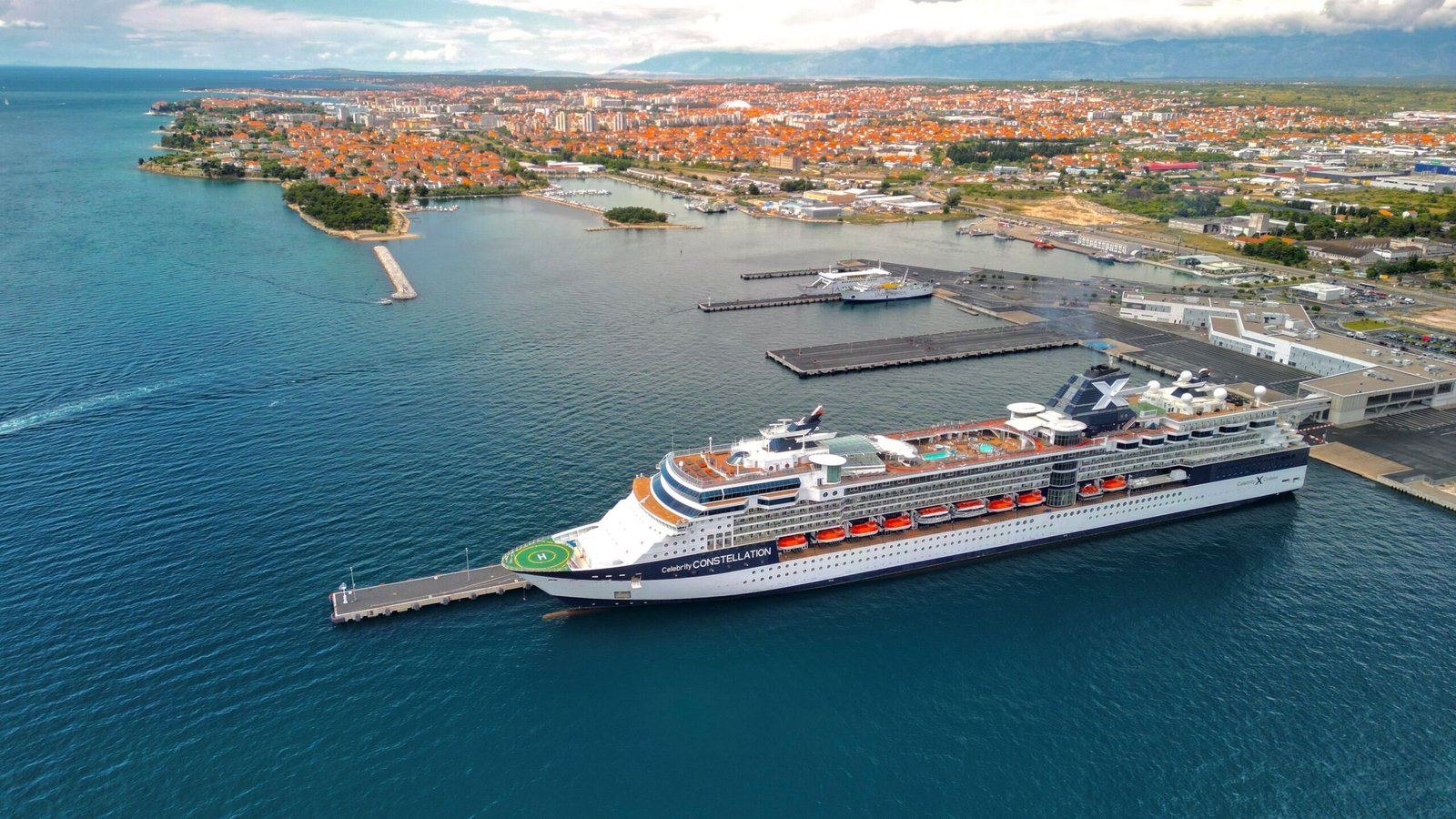
Welcome, fellow travelers. I am David, and at 70 years young, I have spent the better part of my retirement exploring the open ocean. There is nothing quite like standing by the railing, feeling the crisp sea breeze on your face, and watching the horizon change.
Planning a voyage at our stage of life requires looking at travel through a different lens. If you are managing creaking joints, low stamina, or balance challenges, the physical layout of a ship becomes your top priority. That is why I share my experiences on my website, Stress Free Senior Cruising, to help you navigate these magnificent vessels safely.
Before we pack our bags, we must arrange the proper gear to ensure our independence. Organizing scooter and wheelchair rentals for cruise ships before your departure date changes everything. Having a mobility device delivered directly to your cabin ensures you never have to worry about long walks down endless hallways.
With the right preparation, finding the most accessible cruise ships for seniors with mobility issues becomes a straightforward process. Let us explore exactly what makes a modern cruise ship comfortable, safe, and truly stress-free for your next great adventure.
Accessible Cruise Ships for Seniors with Mobility Issues
When you choose a ship, you must look beyond the glitzy brochures and examine the physical blueprint of the vessel. The maritime industry has made massive strides in design over the last decade. Newer mega-ships offer spectacular accessibility features, but some smaller, older vessels still present physical barriers.
My personal travels have shown me that modern hull designs provide much wider corridors and public pathways. I always recommend booking ships built within the last ten years for the smoothest experience. These vessels are designed from the keel up to accommodate guests who utilize mobility equipment.
Evaluating Deck Layouts and Thresholds
One of the first things I check on any ship is the transition between the interior spaces and the outside decks. Older ships often feature heavy manual doors with high raised metal lips at the base of the frame. These lips are designed to keep water out, but they can be a nightmare for a scooter or a cane.
Modern accessible vessels utilize automatic sliding doors with completely flush thresholds. As you roll or walk through, you will feel the physical transition from the air-conditioned interior to the warm, humid air of the pool deck without any jarring bumps. Look for ships that offer push-button door operators on all main public pathways.
Accessible Stateroom Configurations
An accessible cabin is much more than just a regular room with a wider door frame. True fully accessible staterooms offer a completely roll-in shower with a sturdy fold-down bench. You will find that the sink is open underneath so a wheelchair can slide right up to the basin.
In my experience, the extra floor space in these rooms is essential for turning a scooter around. Look for cabins that feature lowered closet rods, accessible safe heights, and emergency pull cords next to the bed. Having these protections in place allows you to sleep peacefully, knowing help is available at the touch of a button.
Cruising with Arthritis Tips for Older Adults
Living with chronic joint pain does not mean your traveling days are over. I have managed my own stiff joints for years, and I know how the damp ocean air can sometimes make your knees ache. Implementing a few smart cruising with arthritis tips for older adults can keep you moving comfortably throughout your entire vacation.
The key to managing arthritis at sea is pacing your daily activities and utilizing the ship’s infrastructure to your advantage. Do not feel pressured to join every single event on the daily newsletter. A successful cruise is all about balance, relaxation, and listening to what your body needs.
Managing Joint Pain on Excursions and Stairs
Elevators are your absolute best friend when you are living with severe joint inflammation. Avoid taking the stairs, as the constant downward pressure on your knees can trigger a painful flare-up by midday. If you must walk between decks, always grip the polished wooden handrails firmly with both hands for stability.
When stepping off the ship onto the gangway, pay close attention to the slope of the walking surface. Steep ramps can put intense strain on your ankles and lower back. Take short, deliberate steps and never hesitate to ask a crew member to walk alongside you for extra support.
Finding Comfort in Onboard Lounges and Pools
The furniture inside ship lounges varies wildly, and soft, deep sofas can be incredibly difficult to get out of when your joints are stiff. I always seek out firm, high-backed chairs with solid armrests that provide leverage when I need to stand up. Spend your afternoons in the solarium where the climate is carefully controlled.
The warmth of a heated thalassotherapy pool is a marvelous remedy for a stiff body. The high mineral content and warm water help support your weight, taking the pressure off your hips and spine. I make it a habit to spend thirty minutes soaking before dinner to keep my mobility fluid for the evening ahead.
Navigating Public Spaces and Entertainment Venues
The public areas of a cruise ship are designed to impress, but they can also be overwhelming due to their sheer scale. A modern cruise ship can be longer than three football fields placed end to end. Walking from the main dining room at the back of the ship to the theater at the front is a significant physical workout.
When you enter the main theater for an evening show, pay close attention to the air conditioning. These massive rooms often have strong air temperature drafts that can blow directly onto your neck and lower back. I always pack a light sweater or a lap blanket to keep my muscles from tightening up during the performance.
The seating inside the main theater usually includes dedicated spaces at the back or front for mobility devices. Arrive at least twenty minutes early to secure these spots, as they fill up quickly with fellow senior travelers. The theater staff are highly trained and will gladly help you park your scooter safely out of the aisle.
Buffet areas require a careful strategy as well, especially during busy breakfast hours. The lines can be long, and balancing a heavy plate while navigating a crowded room is a recipe for a spill. I highly recommend finding a table first, leaving your mobility aid in place, and asking a crew member to help carry your food items.
Choosing the Right Shore Excursions for Limited Mobility
Exploring a new port of call is one of the most exciting parts of a voyage, but it requires careful vetting. Cruise lines rate their excursions by activity level, usually ranging from mild to strenuous. You must read these descriptions with a critical eye before spending your hard-earned money.
Be cautious of excursions that require the use of a water tender to reach the shore. Tenders are smaller boats used when the main cruise ship cannot dock directly at the pier. Stepping from a moving ship onto a bobbing tender requires excellent balance and can be terrifying if you have limited mobility.
Look for excursions specifically labeled as “accessible” or “easy activity.” These tours typically feature modified motor coaches with hydraulic wheelchair lifts and minimal walking. You will be driven directly to the historic sites, allowing you to enjoy the views without wearing out your joints.
When you are off the ship, you will often encounter historic streets made of uneven cobblestones. The physical vibration of rolling over cobblestones can cause significant discomfort to your joints and back. Stick to ports that feature flat, paved promenades right next to the cruise pier for the most enjoyable strolls.
Conclusion: Your Action Plan for a Worry-Free Voyage
Taking a cruise remains one of the absolute best ways for seniors to explore the world in comfort. By selecting the right ship, securing your mobility rentals early, and pacing your daily schedule, you can create a vacation that is truly stress-free. Listen to your body, enjoy the physical feel of the weather-beaten teak decks under your feet, and let the crew take care of the rest.
| Senior Mobility Need | Onboard Solution | Action Item |
| Long-distance walking fatigue | Scooter or power wheelchair | Reserve a rental device through an approved vendor before sailing. |
| Severe joint stiffness or arthritis | Thalassotherapy pools & firm chairs | Schedule daily warm water therapy and choose high-backed lounge seating. |
| Difficulty entering outside decks | Flush thresholds & automatic doors | Book a modern ship built within the last ten years for better layouts. |
| Shower safety and balance issues | Fully accessible staterooms | Request a modified cabin with a roll-in shower and grab bars at booking. |
| Difficult port transfers | Pier-docked ports & accessible tours | Avoid tender ports and select shore excursions labeled as low-activity. |