


Table of Contents
Hello there, fellow travelers. I am David, a retired cruise ship consultant now firmly settled into my seventies. Over the past three decades, I have spent more time pacing across authentic teak decks than on solid land. I have spent my career watching how our beloved cruise industry has adapted to those of us who move a bit slower these days.
Getting older does not mean we have to surrender our passports or give up the thrill of waking up in a new port of call. However, it does mean we need to plan with a bit more precision and honesty about what our bodies can handle. When my left knee starts to throb and send sharp joint pressure up my leg after an hour of walking, I know exactly how crucial good port infrastructure really is.
That is why I help run Stress Free Senior Cruising, a digital home where we cut through the marketing jargon to give you the unvarnished truth about senior travel. Today, I want to share my essential senior travel mobility tips for caribbean and European itineraries alike, ensuring you never feel stranded at the gangway. We will look at how to tackle tricky port layouts, manage your energy, and make smart transit choices so you can explore with absolute confidence.
Planning with a Caribbean Cruise Guide for Seniors with Mobility Challenges
When you are planning a voyage, finding a reliable Caribbean cruise guide for seniors with mobility challenges is the first step to ensuring a smooth vacation. This section focuses on identifying the architectural realities of modern ports versus historic stops so you can choose an itinerary that protects your joints.
Many historic ports require the ship to drop anchor offshore, meaning you must board a smaller tender boat to reach the pier. For anyone with a bad back, an unsteady gait, or a wheelchair, stepping onto a bobbing tender can be terrifying and physically demanding.
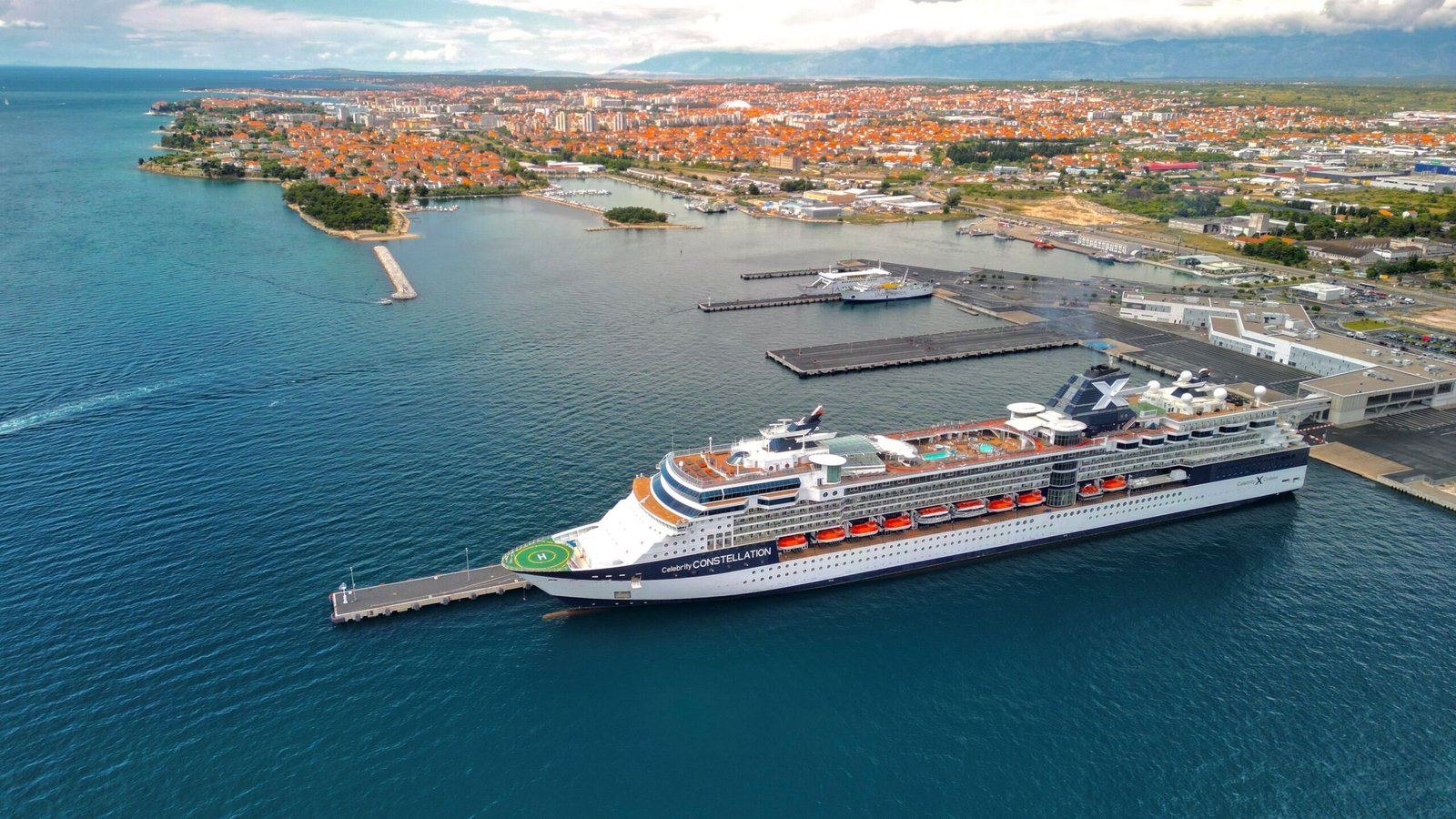
I always advise my clients to look for itineraries that guarantee “docked” status at every single stop. Ships like Celebrity’s Edge-class or Royal Caribbean’s Oasis-class vessels have incredible stability, but their sheer size means they need proper piers to tie up safely.
Evaluating Pier Length and Tram Systems
The walk from your ship’s gangway to the actual port exit can be surprisingly long. At some newer mega-ports, that concrete pier can stretch for a quarter of a mile or more under a blazing sun.
As you walk, the harsh, blinding glare of the sun reflecting off the white concrete can quickly cause eye strain and fatigue before you even reach the tour buses. I always look for ports that provide dedicated golf carts or motorized tram systems along the length of the pier.
When you book, call the cruise line’s Access Desk ahead of time to ask if the ports on your specific route offer pier-side assistance. On a recent trip to San Juan, having a port worker meet me with a golf cart saved my joints from unnecessary pounding before the day even began.
Understanding Tender Ports vs Docked Ports
If your itinerary does include a tender port, you need to understand the physical realities of boarding these smaller vessels. The crew is highly trained to assist you, but they cannot alter the motion of the ocean.
You will feel the sudden lift and drop of the waves as you transition from the solid gangway to the moving platform of the tender boat. For anyone using a heavy motorized scooter, tender ports are often completely off-limits due to weight and safety restrictions.
Stick to docked ports where you can roll or walk directly off the ship onto a flat, stable surface. It removes the anxiety of embarking and disembarking, allowing you to focus entirely on enjoying your morning.
Master the Trickiest Port Terrain: How to Navigate Historic Cobblestone Streets on a Caribbean Cruise
Once you leave the modern terminal behind, the physical environment can change dramatically, requiring you to know how to navigate historic cobblestone streets on a caribbean cruise or an old European city center. This section addresses the technical strategies and adjustments needed to conquer uneven pavement without injury or exhaustion.
Old San Juan, for instance, is famous for its beautiful blue paving stones, but they are an absolute nightmare for mobility devices and sensitive joints. The uneven surfaces cause small wheels to catch and twist, which can easily throw a walking frame or a transport chair off balance.
Walking on these stones for just twenty minutes sends a jarring vibration straight up your ankles and into your lower back. To survive these historic areas, you must scout your paths in advance and adapt your equipment. Look for the smoother concrete slabs that often line the edges of historic plazas, or stick to the modern boardwalks that many islands have built near the water.
Selecting the Right Mobility Assistive Devices
If you are on the fence about bringing a mobility aid, my advice is always to bring it. A lightweight, folding transport chair with larger rubber wheels is vastly superior to a standard wheelchair with tiny front casters on historic streets.
Larger wheels glide over the gaps between stones much more effectively without getting stuck. If you prefer walking, ensure your cane or walking poles have wide, flexible rubber tips that provide a solid grip on uneven, slick surfaces.
Never rely on the ship to loan you a device for shore excursions, as their onboard supply is strictly reserved for medical emergencies. Work with a certified medical equipment rental company that delivers your scooter or chair directly to your cabin before sail away.
Identifying Accessible Walking Routes and Plazas
Many historic port cities have quietly modernized small corridors to accommodate modern travelers without destroying their heritage. Look for maps provided by local tourism boards that explicitly mark accessible walking loops.
These routes usually steer you away from steep, stair-only alleys and guide you toward streets with dropped curbs and smooth paving. If you find yourself facing an uphill climb on old stone, look for local funiculars or elevators that can do the heavy lifting for you.
Take frequent breaks in shaded plazas to rest your legs and hydrate. Watching the world go away from a café chair is just as much a part of traveling as checking off a list of monuments.
Booking Safe Shore Excursions and Accessible Transportation
Your shore excursion choices will make or break your port experience, so you must vet the transportation options with extreme care. This section highlights how to avoid dangerous vehicle configurations and select transfers that match your physical needs.
Standard tour buses feature steep, narrow steps that require significant upper body strength and balance to climb. As you step up into the vehicle, you might feel a sudden draft of cold air from the heavy air conditioning that can stiffen up your knees instantly.
If you have trouble lifting your legs, these steps are a recipe for a painful trip or a dangerous fall. Always look for excursions labeled as “Easy” or “Accessible,” which typically utilize low-floor buses or vans equipped with hydraulic wheelchair lifts. These vehicles allow you to remain seated or step aboard on a flat, level plane.
Maximizing the Independent Exploration Model
If you prefer to explore at your own pace without a group, do not just hop into the first taxi you see at the pier. This section covers how to safely coordinate private transit options directly from the terminal areas.
Look for official port dispatchers who can call an accessible vehicle with a ramp or a spacious trunk for your scooter. Establish a clear price and return time with the driver before you ever close the door.
Having a dedicated driver for the day gives you the freedom to see the sights without the stress of keeping up with a large tour group. Always allow a two-hour buffer on your return trip to the ship. Traffic near historic ports can be unpredictable, and the last thing you want is to see your ship sailing away without you.
Conclusion: Smooth Sailing on Historic Shores
Navigating the world’s most beautiful and historic ports is entirely possible when you arm yourself with the right information. By choosing docked destinations, bringing appropriate mobility aids, and opting for accessible transit, you eliminate the guesswork and stress from your vacation.
Remember that true travel confidence comes from preparation. Listen to your body, take things at your own pace, and enjoy the incredible vistas waiting for you at the gangway.
Summary Matrix for Senior Port Mobility
| Senior Mobility Need | Potential Port Challenge | Recommended Action & Solution |
| Joint Pain / Low Stamina | Long, unshaded concrete piers | Request pier golf cart assistance via the ship’s Access Desk. |
| Wheelchair / Scooter User | Steep tour bus stairs & steps | Book accessible transfers utilizing hydraulic lift vans. |
| Unsteady Balance | Uneven cobblestones & gaps | Use large-wheeled transport chairs; map out flat concrete paths. |
| Severe Mobility Limits | Unpredictable tender boat waves | Choose itineraries that feature 100% docked ports of call. |
You Might Aslo Like:
Accessible Shore Excursions: Exploring Cruise Ports with Limited Mobility
Lift Vans vs. Standard Buses How to Choose Safe Cruise Transportation for Seniors